Author name: Ask An Electrician

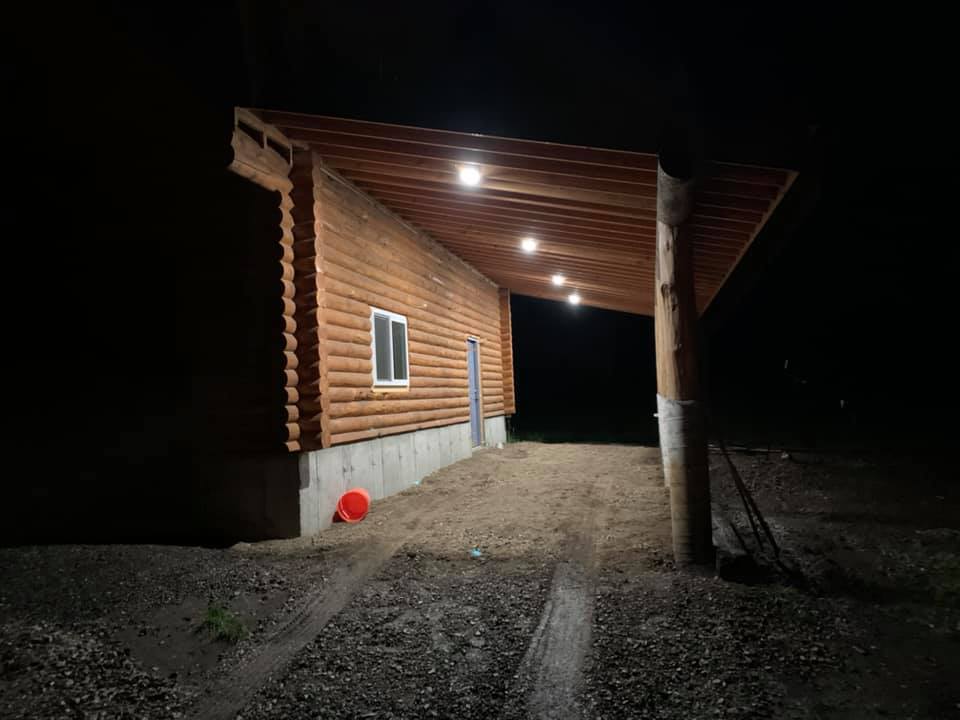
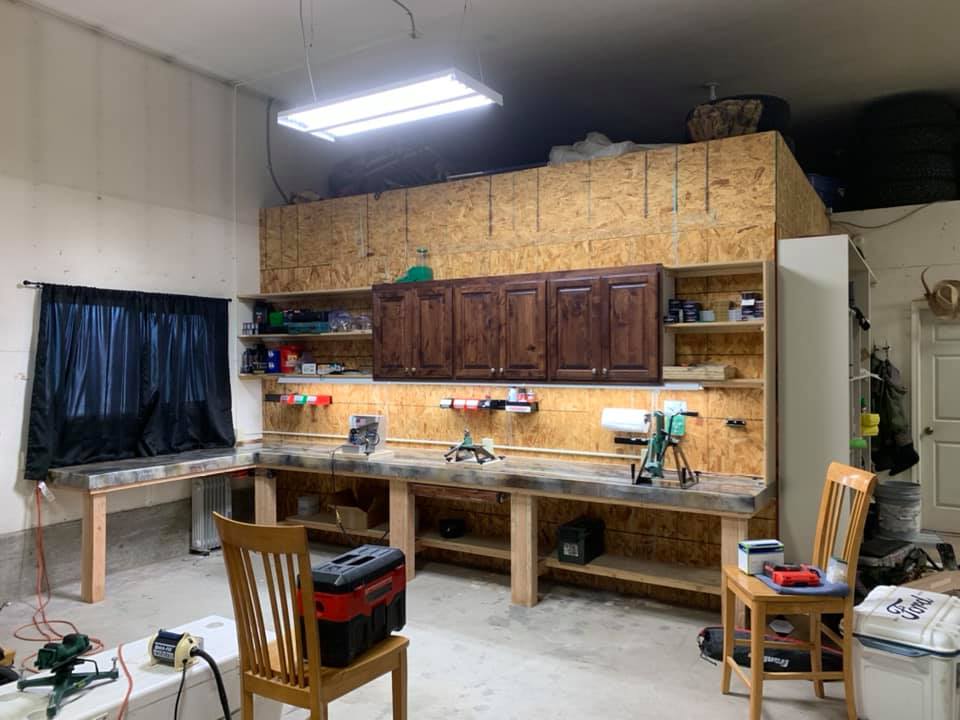
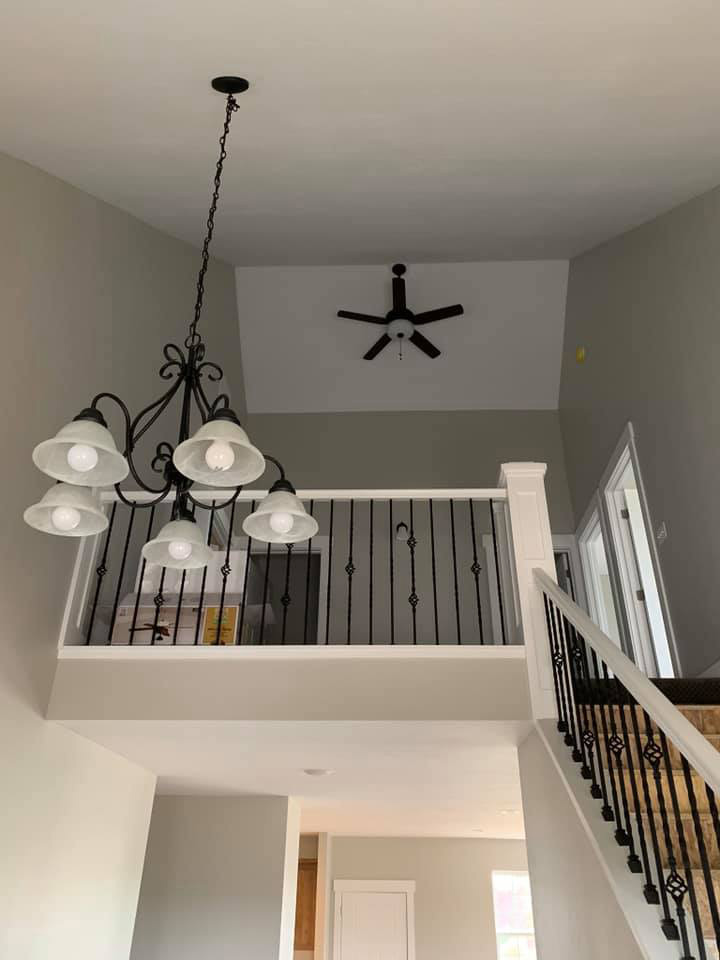
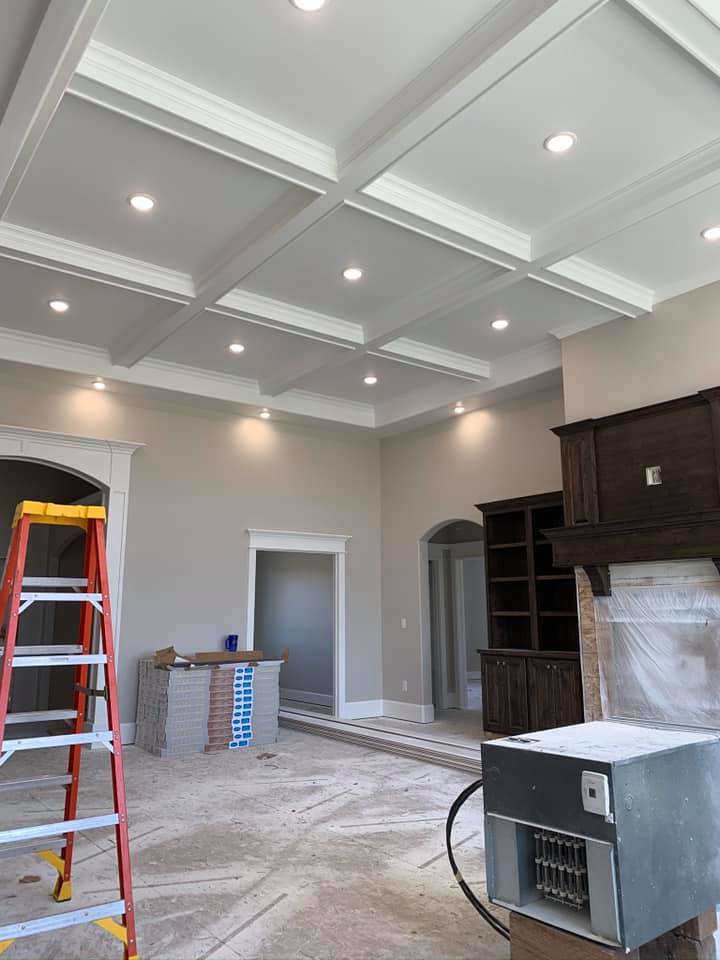
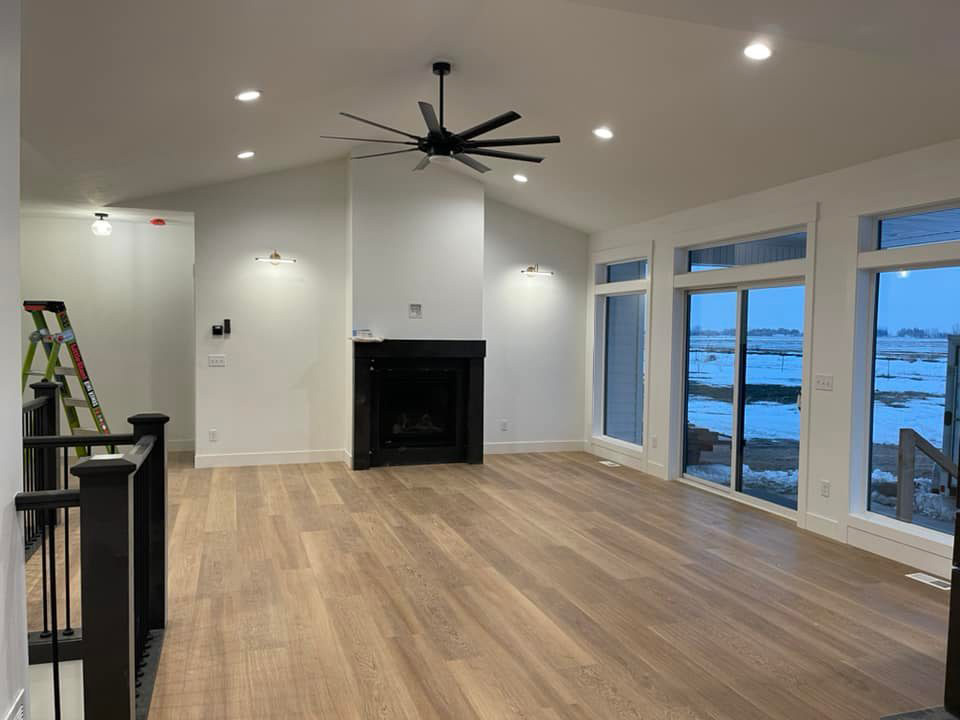
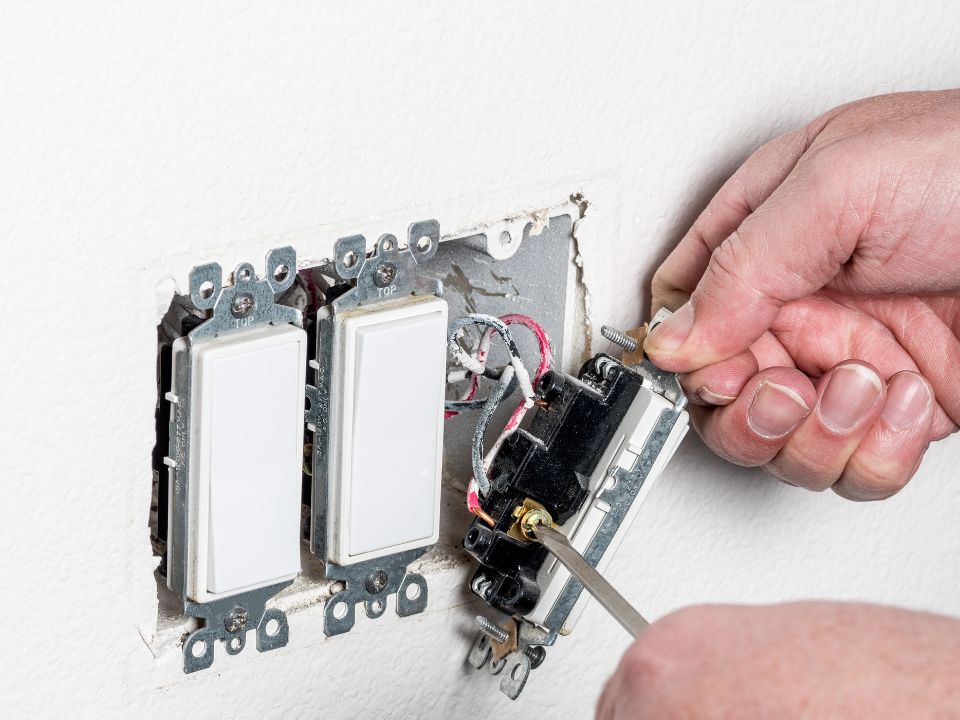
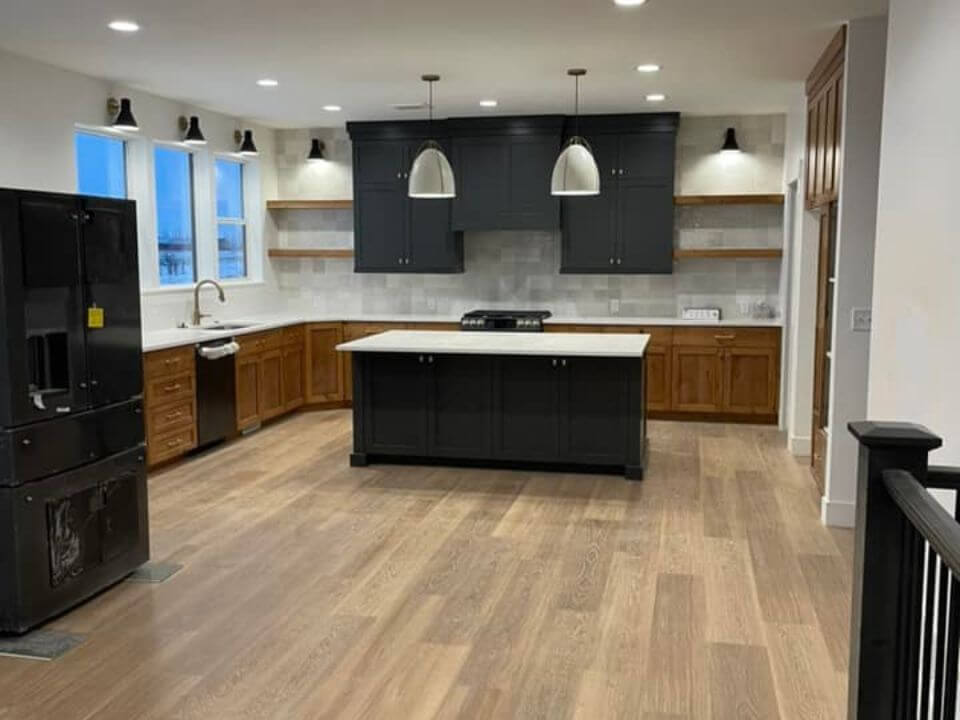
A picture of lighting electrician work inside a house by Platinum Electric in rexburg id

The Places in a Home Where GFCI Protection Matters Most

Not every outlet in a home faces the same level of risk. A bedroom outlet and a bathroom outlet may look similar, but they do not serve the same kind of space. Some areas deal with moisture, wet hands, outdoor exposure, or equipment used near sinks and concrete floors. That is where GFCI protection becomes especially important. It is designed to shut off power quickly when a problem is detected, which adds an extra layer of safety in places where conditions are less forgiving.

Bathrooms Are One of the Most Important Areas

Bathrooms are one of the first places people think about with GFCI protection, and for good reason. Water is part of daily use there, and even simple tasks like using a hair dryer or plugging in a trimmer can create more risk than people realize.

  • Outlets near sinks need added protection.
  • Wet hands can increase the chance of electrical shock.
  • Small appliances are often plugged in and unplugged often.

Because bathrooms are used every day, this protection is not just a code issue. It is a practical safety feature that helps reduce danger in a room where water is always nearby.

Kitchens Need Protection Near Work Areas

Kitchens are another major area where GFCI protection matters. Counters, sinks, and food prep zones all bring electricity and water close together. That combination calls for careful planning. In many homes, where GFCI outlets are required in kitchens and bathrooms becomes a common question once people start updating older outlets.

  • Countertop outlets often need GFCI protection.
  • Areas near the sink should be reviewed carefully.
  • Small kitchen appliances can add daily wear to outlets.

A skilled electrician will usually look closely at these spaces because kitchens are used heavily and often have several plugged-in devices at once.

Garages, Basements, and Outdoor Areas Also Matter

Some homeowners focus only on kitchens and bathrooms, but those are not the only places that deserve attention. Garages, unfinished basements, crawl-adjacent areas, and outdoor outlets can also present higher risk because of moisture, concrete surfaces, and changing weather.

  • Garage outlets may serve tools and extra appliances.
  • Outdoor outlets face rain, snow, and damp air.
  • Basement areas may deal with moisture or utility use.

That is one reason calling a Rexburg ID electrician can be a smart step when checking an older home. Outlets that seem fine at first glance may not provide the protection a space really needs today.

Updated Protection Helps the Whole Home Feel Safer

GFCI protection is not about making a home look different. It is about making key spaces safer to use. When the right outlets are protected, daily routines feel more dependable and risk is reduced in the places where it matters most.

  • Safer outlets support everyday use.
  • Updated protection can improve peace of mind.
  • Proper placement matters as much as the outlet itself.

An experienced electrician can help identify which areas need attention and whether existing outlets are still doing their job properly.

Conclusion

GFCI protection matters most in the parts of a home where water, weather, or damp conditions raise the level of risk. Bathrooms, kitchens, garages, basements, and outdoor areas should all be reviewed with safety in mind. A few smart updates can make a big difference in how protected a home feels. Call Platinum Electric at (208) 403-3040 today and let us help you make the right upgrades for a safer home.

We also provide services to Blackfoot, Collins, Chubbuck, Idaho Falls, Ammon, Rexburg, Jackson, Island Park, Shelley, Iona, and all surrounding areas.

The Places in a Home Where GFCI Protection Matters Most Read More »

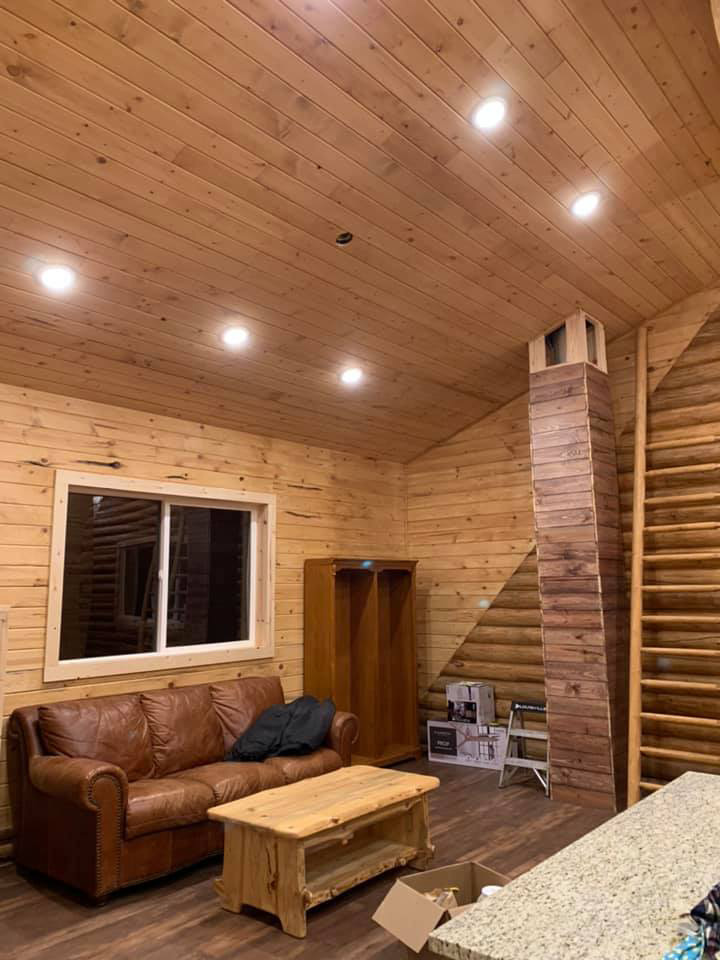
A picture of generator by Platinum Electric powering whole house in rexburg id

How to Choose the Right Backup Generator Size for Your Home

A backup generator can make a major difference when the power goes out. It can keep important parts of the home running and help a family stay safer and more comfortable during an outage. But not every generator fits every house. A unit that is too small may not power the items you need most, while one that is too large may cost more than necessary. That is why sizing matters so much from the start.

Start With the Most Important Items

The first step is deciding what the generator needs to power. Some homeowners only want a few basics, while others want broader coverage during a longer outage. The answer depends on how the home is used and what matters most during a power loss.

  • Refrigerators and freezers are often top priorities.
  • Heating systems or well pumps may also be essential.
  • Some families also want lights, outlets, and internet service.

This is one reason many people call a Rexburg ID electrician before choosing a unit. The goal is to match the generator to real needs instead of guessing based on size alone.

Running Power and Starting Power Are Not the Same

Some equipment needs more power when it first turns on than it does while running. That extra demand matters when planning a generator because startup loads can quickly push a system beyond its limit. And for those exact cases, how to size a backup generator for home essentials becomes an important question once homeowners realize that wattage is not always as simple as it looks.

  • A motor may need extra power at startup.
  • Heating or cooling equipment can place larger demands on the system.
  • Several items starting at once may raise the total load.

This is why generator sizing should be based on more than a rough estimate. A careful review helps avoid a system that struggles when it matters most.

Whole-Home Power and Essential Power Are Different Goals

Some homeowners want enough backup power for the full house. Others want coverage only for the most important circuits. Both can be good options, but they lead to different generator sizes and different installation plans.

  • Full-home backup usually requires a larger unit.
  • Essential-only backup can reduce cost and fuel use.
  • The right setup depends on the home and the homeowner’s priorities.

A knowledgeable electrician can help identify which approach makes the most sense for the property, the budget, and the systems that need power during an outage.

Proper Planning Helps the Generator Perform Better

The generator itself is only part of the plan. Transfer equipment, fuel source, and electrical connections all affect how well the system works once the power goes down.

  • The unit should match the home’s electrical demands.
  • Fuel planning should support the expected runtime.
  • The transfer setup should allow power to switch safely.

An experienced electrician knows that good generator performance starts with good planning. When the system is sized and installed correctly, the home is in a much better position during an outage.

Conclusion

The right backup generator size depends on what a home truly needs during a power outage. Important appliances, startup loads, and overall coverage goals all play a part in the decision. A system that is sized well can provide peace of mind and more reliable backup power when it matters most. If you are thinking about adding a generator to your home, call Platinum Electric at (208) 403-3040 today and let us help you choose the right setup for your needs.

We also provide services to Blackfoot, Collins, Chubbuck, Idaho Falls, Ammon, Rexburg, Jackson, Island Park, Shelley, Iona, and all surrounding areas.…

How to Choose the Right Backup Generator Size for Your Home Read More »

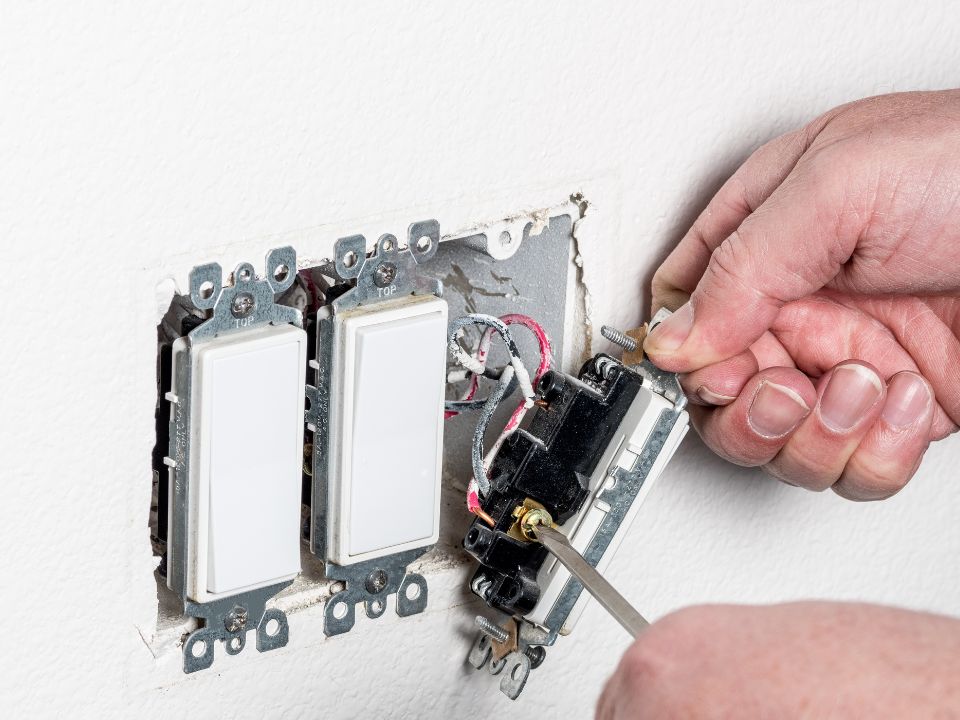
Picture of recessed ceiling lights project completed by Platinum Electric - The Best Electrician in Rigby ID

Whole-Home Surge Protection or Power Strips: What Protects Better?

Many homeowners use power strips to protect electronics, but that is only part of the picture. A power strip may help with small surges near one device, while a whole-home system is designed to protect much more of the house. 

When a surge comes from lightning, utility issues, or large equipment cycling on and off, the damage can reach far beyond one outlet. That is why surge protection should be viewed as a bigger safety decision, not just a small accessory purchase.

Power Strips Only Protect Limited Areas

A power strip can be helpful, but its protection is usually limited to whatever is plugged into it. It does not defend the full electrical system or every major appliance in the home.

  • It usually protects only one small group of devices.
  • It may not handle stronger surge events well.
  • Large appliances are often not covered at all.

For smaller electronics, a quality strip can still play a useful role. It is just not the same as broader protection for the whole house.

Whole-Home Systems Protect More Than Electronics

A whole-home surge protector is installed as part of the electrical system. It is meant to help stop damaging voltage spikes before they spread through the home. In many cases, whole-home surge protection vs power strips for home safety becomes an important topic once homeowners realize how many systems can be affected by one surge.

  • It can help protect appliances and built-in systems.
  • It covers more than one room or one outlet.
  • It adds a stronger layer of defense for the home.

This can be especially important for homes with expensive appliances, office equipment, or newer electrical systems.

Surges Do Not Always Come From Storms

Many people think only lightning causes surges, but that is not the case. Smaller surges can happen inside the home as well, and repeated exposure can slowly wear down sensitive equipment.

  • HVAC systems can contribute to power fluctuations.
  • Large appliances can create internal surges.
  • Utility changes can also affect the home.

That is one reason an Idaho Falls ID electrician may recommend stronger protection even if a homeowner has never seen major storm damage before.

The Best Protection Often Uses Both

Power strips and whole-home protection do not have to compete. In many homes, the best setup includes both. One helps at the system level, and the other can add protection at specific devices.

  • Whole-home protection handles larger system-wide risk.
  • Power strips can support sensitive electronics.
  • A layered approach often makes the most sense.

Choosing the right surge protection is easier when the home’s electrical system is reviewed by an experienced electrician who understands what needs the most protection.

Conclusion

Power strips can help with limited device protection, but they do not replace whole-home surge protection. A broader system helps defend appliances, electronics, and other important parts of the home from damaging voltage spikes. If you want stronger protection for the systems you rely on every day, call Platinum Electric at (208) 403-3040 today and let our electricians help you choose the right solution.

We also provide services to Blackfoot, Collins, Chubbuck, Idaho Falls, Ammon, Rexburg, Jackson, Island Park, Shelley, Iona, and all surrounding areas.

Whole-Home Surge Protection or Power Strips: What Protects Better? Read More »

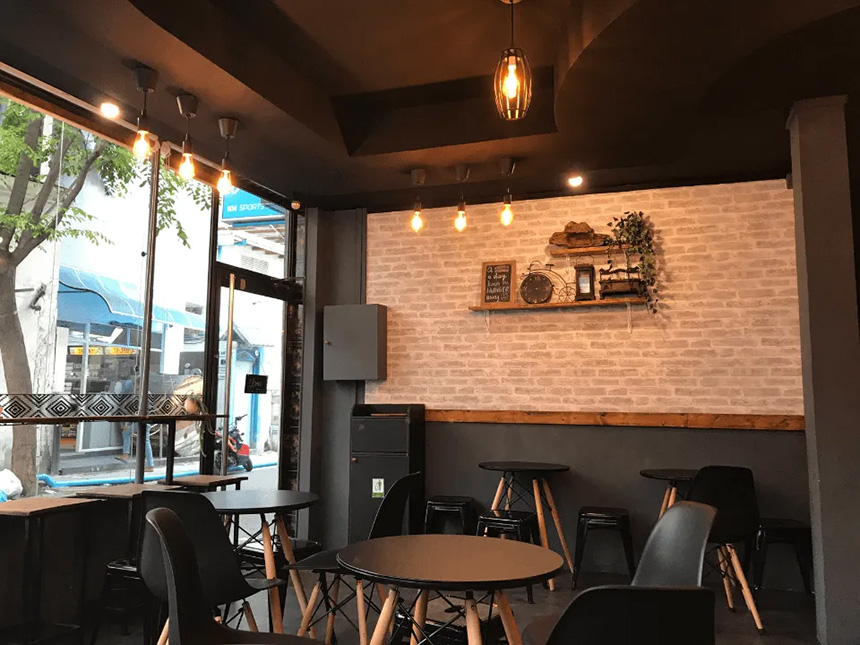
residential lighting in rexburg id by platinum electric

When It Makes Sense to Add Dedicated Circuits at Home

Modern homes use more power than many older electrical systems were built to handle. Large appliances, workshop equipment, and added convenience features can all place extra demand on a circuit. When too many items share the same line, the result may be nuisance breaker trips, reduced performance, or safety concerns. 

That is why some parts of a home work better with dedicated circuits. A dedicated circuit gives one appliance or piece of equipment its own power path, which helps the system run more safely and more reliably.

High-Power Appliances Often Need Their Own Circuit

Some equipment draws much more power than everyday lamps or chargers. These larger loads should not compete with other devices on the same line. Giving them a dedicated circuit helps prevent overload and supports proper operation.

  • Ovens and ranges often need dedicated power.
  • Refrigerators, microwaves, and dishwashers may also need separate circuits.
  • Washers, dryers, and HVAC equipment are common examples too.

When these appliances share too much power with other devices, problems can show up quickly. A dedicated setup helps reduce that risk.

Repeated Breaker Trips Can Be a Warning Sign

A breaker that trips once in a while may not always mean a major issue. But when it happens again and again, it often points to a circuit carrying more than it should. That is one of the clearest signs that a closer look is needed.

  • Breakers may trip when too many devices run at once.
  • Lights may dim when larger appliances turn on.
  • Outlets may stop working until the breaker is reset.

In our homes, when to add dedicated circuits for major appliances becomes an important question after these warning signs begin to appear. The goal is not just to stop the annoyance. The goal is to correct the load problem the right way.

Workshops, Garages, and Added Equipment May Need More Power

It is not only kitchen and laundry appliances that need special planning. Garages, home shops, freezers, pumps, and other equipment can also place major demand on the system. As homes change, the electrical setup often needs to change with them.

  • Power tools may need more support than a standard shared outlet.
  • Garage refrigerators or freezers can add steady load.
  • New equipment may strain circuits that were not built for it.

This is one reason calling an Idaho Falls ID electrician can be a smart step before adding new equipment. A circuit that worked well years ago may not be the right fit for how the space is used today.

The Right Circuit Plan Supports Safety and Performance

Dedicated circuits do more than prevent breaker trips. They help appliances run the way they were meant to run. They also reduce stress on the rest of the system and make it easier to manage power throughout the home.

  • Equipment can perform more reliably.
  • The risk of overload is reduced.
  • The home’s electrical layout becomes easier to manage.

A qualified electrician can review the system, identify where loads are too heavy, and recommend the safest path forward.

Conclusion

Dedicated circuits are often the right answer when major appliances or equipment place too much demand on shared power lines. They help improve safety, reduce breaker problems, and support better performance across the home. If you are adding equipment or dealing with overloaded circuits, contact Platinum Electric at (208) 403-3040 today and let our electricians help you plan the right solution.

We also provide services to Blackfoot, Collins, Chubbuck, Idaho Falls, Ammon, Rexburg, Jackson, Island Park, Shelley, Iona, and all surrounding areas.…

When It Makes Sense to Add Dedicated Circuits at Home Read More »

commercial lighting electrician work in a house by platinum electric

Planning the Electrical Work for a Home Addition the Right Way

A home addition adds new space, but it also adds new electrical needs. Lights, outlets, switches, and new circuits all need to be planned the right way. The electrical work should match the layout of the new room and connect safely with the rest of the house. 

If that planning is rushed, the new space may not feel as comfortable or functional as it should. A clear plan from the beginning helps the project move more smoothly and supports better results once the room is finished.

Rough-In Work Builds the Foundation

Rough-in work happens before insulation and drywall are installed. This is the stage where wires, boxes, and other key parts are placed in the walls and ceilings. Even though most of it will be hidden later, it is one of the most important parts of the project.

  • Wires are run to outlets, switches, and light locations.
  • Boxes are placed where devices and fixtures will go.
  • Circuit paths are planned to support safe and reliable power.

This stage needs careful thinking because changes are much easier before the walls are closed. A skilled electrician will look at both the layout of the room and the power demands of the space before the job moves forward.

The Existing System Must Be Reviewed

A home addition does not only affect the new area. It can also put more demand on the current electrical system. That means the panel, circuits, and service capacity may need to be checked before new wiring is added. In many projects, electrical planning for a home addition and new circuits becomes one of the most important parts of making sure the space works safely from the start.

  • The panel may need open space for new breakers.
  • Existing circuits should not be overloaded.
  • Larger additions may require a broader system upgrade.

This is one reason people looking for an Idaho Falls ID electrician should think beyond the walls of the addition itself. The new space has to work safely with the rest of the home, not as a separate piece with too much strain on the system.

Finish Work Brings the Space to Life

Once the walls are closed and the room starts taking shape, finish work begins. This is when devices and visible fixtures are installed and tested. It is the part people notice most because it affects how the room looks and functions every day.

  • Switches and outlets are installed in their final positions.
  • Light fixtures are mounted and connected.
  • Devices are checked to make sure they work correctly.

Finish work may seem simpler than rough-in work, but details still matter. Placement, alignment, and function all help the new room feel complete and comfortable.

Good Planning Helps Avoid Delays and Frustration

Electrical work tends to go better when it is part of the plan from the beginning. Waiting too long to think about outlet locations, lighting needs, or added circuits can lead to delays, extra cost, and changes that are harder to make later.

  • Early planning can help avoid rework.
  • Better coordination keeps the project moving.
  • A clear plan often leads to a better final result.

An experienced electrician knows that a home addition should feel seamless when it is done. That takes planning, communication, and attention to both the hidden work and the visible finish.

Conclusion

Electrical rough-in and finish work are both important parts of a home addition. One builds the system behind the walls, and the other brings the room into daily use. When both stages are planned well, the new space feels safer, smoother, and more complete. If you are adding onto your home and want the electrical work done right, call Platinum Electric at (208) 403-3040 today and let us help you plan every step with care.

We also provide services to Blackfoot, Collins, Chubbuck, Idaho Falls, Ammon, Rexburg, Jackson, Island Park, Shelley, Iona, and all surrounding areas.

Planning the Electrical Work for a Home Addition the Right Way Read More »

A worker of Platinum Electric in a rexburd id house replacing the lights inside the house

What to Expect During a Home Electrical Troubleshooting Visit

Electrical problems can be frustrating because the cause is not always easy to spot. A light may flicker for days, a breaker may keep tripping, or part of the home may suddenly lose power. In many cases, the problem is hidden behind a wall, inside a panel, or connected to a worn-out device. 

That is why a troubleshooting visit matters. The goal is not just to guess. The goal is to test the system, find the source of the issue, and decide on the safest fix. For many homeowners, troubleshooting for flickering lights and breaker issues is the first step toward getting the home back to normal.

The Visit Starts With Questions and Basic Checks

A troubleshooting appointment usually begins with a few simple questions. The more detail a homeowner can give, the easier it is to narrow down what may be happening. Small clues often help point the inspection in the right direction.

  • When did the problem start?
  • Does it happen all the time or only sometimes?
  • Is it tied to one room, one appliance, or one switch?

After that, the system is checked more closely. A skilled electrician looks for patterns, signs of wear, and anything unusual in the affected area before moving on to deeper testing.

Testing Helps Find the Real Source of the Problem

Many electrical problems can look the same on the surface. A dead outlet, flickering light, or breaker issue may come from very different causes. That is why testing is so important during the visit.

  • Outlets and switches may be tested for proper power.
  • The panel may be checked for loose or weak connections.
  • Circuits may be reviewed to see where the issue starts.

This step matters because good repairs begin with an accurate diagnosis. In homes needing an Idaho Falls ID electrician, careful testing is often what separates a short-term patch from a real solution.

Some Problems Are Simple, While Others Point to Bigger Issues

Not every issue turns into a major repair. Sometimes the cause is a worn outlet, a faulty switch, or a loose connection. Other times, the visit may reveal a larger concern that should not be ignored.

  • Repeated breaker trips may point to overload or wiring trouble.
  • Warm outlets can signal unsafe conditions.
  • Power loss in one area may involve hidden circuit damage.

A trained electrician knows how to tell the difference between a minor fix and a problem that needs more attention. That helps homeowners avoid wasted time and unsafe guesswork.

The Final Step Is Explaining the Best Repair Path

Once the issue is found, the next step is to explain what is wrong and what should happen next. Homeowners should leave the visit with a clearer understanding of the problem and the safest way to solve it.

  • Some repairs can be handled quickly.
  • Other issues may need replacement parts or follow-up work.
  • Safety concerns should be addressed before they get worse.

A good troubleshooting visit should bring clarity. Instead of wondering what is happening behind the scenes, the homeowner gets a direct answer and a plan for moving forward.

Conclusion

A troubleshooting visit is about more than checking a few outlets. It is a careful process used to find the source of an electrical problem and recommend the right repair. From the first questions to the final diagnosis, each step helps protect the home and restore safe, reliable power. When something in your home is not working the way it should, call Platinum Electric at (208) 403-3040 today and let us help you get to the root of the problem.

We also provide services to Blackfoot, Collins, Chubbuck, Idaho Falls, Ammon, Rexburg, Jackson, Island Park, Shelley, Iona, and all surrounding areas.…

What to Expect During a Home Electrical Troubleshooting Visit Read More »

breaker-box-platinum-electric-rigby-idaho

Why Repeated Breaker Trips Should Never Be Ignored

Circuit breakers are designed to protect your home, but frequent trips are not normal. Many homeowners reset breakers without thinking twice, assuming it’s just a minor issue. Over time, repeated breaker trips often signal deeper electrical problems that can put safety at risk. Understanding what causes these interruptions helps homeowners take action before damage or hazards occur.

What Circuit Breakers Are Designed to Do

Circuit breakers act as safety guards for your electrical system. Their job is to stop the flow of electricity when something becomes unsafe, such as too much power moving through a circuit. When a breaker trips once in a while, it’s doing exactly what it was designed to do.

Problems start when breakers trip repeatedly. Instead of responding to a one-time issue, the breaker is reacting to ongoing stress within the system—often related to overloads, wiring problems, or failing components. At that point, resetting the breaker no longer solves the real issue.

Common Causes of Repeated Breaker Trips

Breaker trips often happen when electrical systems are pushed beyond their limits. As power needs increase over time, older wiring and panels may struggle to keep up with daily use. What once worked fine can slowly become overwhelmed as more devices and appliances are added.

Common causes include:

  • Too many appliances on one circuit
  • Faulty wiring or damaged connections
  • Aging or undersized electrical panels

In many homes, why breakers keep tripping in a house comes down to system capacity issues rather than a faulty breaker alone. These problems often develop gradually and worsen if left unaddressed.

A qualified electrician can identify where the strain is coming from and recommend the right fix to restore safe, reliable power.

Safety Risks of Ignoring Breaker Problems

Ignoring breaker issues can allow heat to build up inside walls, outlets, and panels. Over time, this hidden heat weakens wiring insulation and increases the risk of failure.

Safety concerns that can develop include:

  • Electrical fires caused by overheated wires
  • Damage to expensive electronics and appliances
  • Sudden power loss that affects essential systems

A licensed Rexburg ID electrician can catch these risks early and prevent serious damage.

How Professional Repairs Prevent Future Issues

Professional electrical repairs focus on correcting the root cause instead of treating symptoms. This creates a safer and more reliable system long-term.

Depending on the issue, solutions may involve adding dedicated circuits, upgrading the electrical panel, or repairing damaged wiring. These repairs reduce strain on the system and help ensure breakers only trip when they truly should.

Working with an experienced electrician helps restore stability and prevents repeated interruptions in the future.

Final Thoughts 

Repeated breaker trips should never be ignored or treated as normal. They are early warnings that something deeper needs attention. Addressing these issues early helps protect your home, appliances, and family.

At Platinum Electric, we diagnose breaker issues accurately and provide long-term solutions you can trust.

Stop resetting and start protecting your home. Call Platinum Electric today at (208) 403-3040 to schedule your free estimate and keep your electrical system safe.

We also provide services to Blackfoot, Collins, Chubbuck, Idaho Falls, Ammon, Rexburg, Jackson, Island Park, Shelley, Iona, and all surrounding areas.

Why Repeated Breaker Trips Should Never Be Ignored Read More »

residential-electrician-home-platinum-electric

How Modern Appliances Are Overloading Older Home Electrical Systems

Many older homes were not designed for today’s power-hungry appliances. Items like smart refrigerators, electric dryers, and high-efficiency heating systems all draw more electricity than older systems were built to handle. As new technology becomes part of daily life, electrical systems can quietly fall behind. When power demand increases faster than system capacity, safety and performance issues often follow.

Why Older Electrical Systems Struggle With New Appliances

Homes built years ago were designed around simpler electrical needs and fewer high-demand devices. Today’s appliances often run longer, draw more power, and operate at the same time throughout the day. This steady demand places constant pressure on older systems.

Common challenges include:

  • Panels with limited capacity
  • Wiring not rated for higher electrical loads
  • Fewer dedicated circuits for large appliances

Over time, these limitations make it harder for the system to safely distribute power.

Appliances That Put the Most Strain on Electrical Systems

Not all appliances use electricity the same way. Some require large bursts of power when starting, while others draw steady energy for long periods. This combination can overload systems that were never designed for such use.

Appliances that commonly strain older systems include:

  • Electric ranges and ovens
  • Washers and dryers
  • Heating and cooling equipment

In many homes, modern appliances overloading old electrical systems is a common reason for breaker trips and electrical performance issues.

A licensed electrician can assess how these appliances interact with your system and recommend safe upgrades.

Warning Signs Your System Is Being Overloaded

Electrical systems usually give warning signs before serious damage occurs. These signs may start small but often become more frequent as power demand continues to rise. Ignoring them increases the risk of long-term damage.

Common warning signs include:

  • Breakers tripping when appliances run
  • Lights dimming during appliance use
  • Outlets or switches feeling warm

A professional Rexburg ID electrician can inspect these symptoms and identify whether your system is overloaded or improperly balanced.

How Electrical Upgrades Help Balance Power Safely

Upgrading electrical systems allows power to be distributed more evenly and safely across the home. This reduces strain on wiring, panels, and appliances, especially during peak usage times.

Benefits of upgrades include:

  • Better support for modern appliances
  • Reduced stress on existing wiring
  • Improved safety and system reliability

A qualified electrician can recommend panel upgrades, added circuits, or wiring improvements based on how your home uses power daily.

Conclusion

Modern appliances bring comfort and convenience, but they also demand more from electrical systems. Addressing overload issues early helps prevent safety hazards, appliance damage, and unexpected outages. With proper upgrades, older homes can safely support today’s technology.

At Platinum Electric, we help homeowners modernize their electrical systems safely and efficiently.

Protect your home from overload issues. Call Platinum Electric today at (208) 403-3040 to schedule your free estimate and keep your electrical system running safely.

We also provide services to Blackfoot, Collins, Chubbuck, Idaho Falls, Ammon, Rexburg, Jackson, Island Park, Shelley, Iona, and all surrounding areas.…

How Modern Appliances Are Overloading Older Home Electrical Systems Read More »

A worker of Platinum Electric in a rexburd id house replacing the lights inside the house

How Professional Electrical Work Improves Home Safety

Electrical systems play a major role in keeping a home safe, yet many problems stay hidden until something goes wrong. Loose wiring, outdated components, and overloaded circuits can all create serious risks over time. Small electrical issues often grow quietly, especially in homes that haven’t been inspected in years. 

Understanding how professional electrical work improves home safety helps homeowners see why expert service matters when protecting family members, property, and long-term peace of mind.

Identifying Hidden Electrical Hazards

Many electrical dangers are not visible during daily use. Issues behind walls, inside panels, or around outlets can slowly worsen without warning, especially in older homes. These hidden problems often go unnoticed because everything appears to be working normally on the surface.

Common hidden hazards include:

  • Worn or damaged wiring
  • Loose electrical connections
  • Overloaded or aging panels

A trained electrician knows where to look and how to identify early warning signs that most homeowners would never notice until damage has already started.

Reducing the Risk of Electrical Fires

Electrical fires often start from small problems that go unnoticed for long periods. Faulty wiring, overheating components, and improper installations are common causes that slowly build risk over time. Professional electrical work focuses on correcting these issues completely, not just masking symptoms.

Fire risks are reduced by:

  • Properly sized circuits
  • Secure wiring connections
  • Correct breaker and panel setup

Working with a qualified electrician helps prevent overheating, reduces strain on the system, and lowers the chance of fires caused by electrical failure.

Ensuring Systems Meet Safety Standards

Electrical codes exist to protect homeowners, but many systems fall behind as standards change. Older installations may still function but no longer meet today’s safety expectations. Professional electrical work helps close this gap and ensures systems are safe for continued use.

Code-related benefits include:

  • Safer wiring methods
  • Proper grounding
  • Updated safety devices

A licensed Rexburg ID electrician understands current requirements and ensures upgrades and repairs meet modern safety standards for residential homes.

Long-Term Safety Benefits of Professional Work

Professional electrical work doesn’t just fix immediate problems—it helps prevent future ones. Correct installations reduce stress on wiring and equipment, allowing the system to operate more efficiently. Over time, this lowers the chance of sudden failures.

Long-term safety advantages include:

  • Fewer emergency repairs
  • Better system reliability
  • Reduced wear on electrical components

Professional service creates a safer electrical system that remains dependable as your home’s power needs continue to grow.

Final Thoughts

Electrical safety starts with doing the job right the first time. Professional electrical work protects your home, reduces long-term risks, and provides peace of mind for your family. Addressing issues early can also prevent costly repairs later.

At Platinum Electric, we focus on safe, reliable solutions designed to support long-term home safety.

Protect your home the right way. Call Platinum Electric today at (208) 403-3040 to schedule your free estimate and work with professionals you can trust.

We also provide services to Blackfoot, Collins, Chubbuck, Idaho Falls, Ammon, Rexburg, Jackson, Island Park, Shelley, Iona, and all surrounding areas.

How Professional Electrical Work Improves Home Safety Read More »

electrical panel breaker box by platinum electric in rexburg id electrcian

Why Electrical Panel Upgrades Matter for Growing Households

As families grow, homes often use more power than they were originally designed to handle. New appliances, extra devices, and added living space can all put stress on an electrical system over time. When power demands increase, an outdated panel may struggle to keep up with daily use. Understanding when to upgrade your electrical panel helps homeowners avoid safety issues, reduce frustration, and keep their home running smoothly as needs change.

How Growing Homes Increase Power Demand

Many older homes were built for fewer electronics and simpler daily routines. Today’s households rely on more power for comfort, convenience, and work, often all at the same time. This steady increase can strain systems that were never designed for modern lifestyles.

Common reasons power demand increases include:

  • More kitchen appliances running at the same time
  • Added TVs, computers, and gaming systems
  • Heating, cooling, or laundry equipment used more often

Without upgrades, this increased demand can push the electrical system beyond what it was meant to handle, leading to performance and safety issues.

Warning Signs Your Panel May Be Undersized

An electrical panel that can’t keep up usually gives clear warning signs before serious problems occur. These signs are often easy to miss at first but tend to become more frequent over time. What starts as a minor inconvenience can quickly turn into a safety concern if ignored.

Signs to watch for include:

  • Breakers tripping often
  • Lights dimming when appliances turn on
  • Buzzing sounds near the panel

A licensed Rexburg ID electrician can inspect these symptoms and explain whether your panel is still meeting your home’s needs.

Safety Risks of an Outdated Electrical Panel

Older or overloaded panels increase the risk of electrical hazards inside the home. When systems are pushed beyond their limits, heat can build up in wires, breakers, and connections. Over time, this hidden stress weakens components and raises the risk of failure.

Potential risks include:

  • Electrical fires
  • Damage to appliances and electronics
  • Power outages or system failures

Working with a qualified electrician helps ensure these risks are addressed early, before serious damage or danger occurs.

How Panel Upgrades Support Modern Living

Upgrading an electrical panel prepares your home for today’s lifestyle and future changes. A modern panel allows power to flow safely and evenly throughout the house, even during high-use periods. This makes everyday tasks more reliable and reduces strain on the system.

Benefits of upgrading include:

  • Better support for modern appliances
  • Fewer electrical interruptions
  • Increased home value and overall safety

A professional electrician can recommend the right panel size based on how your household uses power now and how it may grow in the future.

Final Thoughts

A growing household needs an electrical system that can keep up safely and reliably. Panel upgrades help protect your home, improve performance, and prevent unexpected electrical problems. At Platinum Electric, we help families choose smart solutions that support long-term comfort and safety.

Don’t let an outdated panel hold your home back. Call Platinum Electric today at (208) 403-3040 to schedule your free estimate and get reliable power you can trust.

We also provide services to Blackfoot, Collins, Chubbuck, Idaho Falls, Ammon, Rexburg, Jackson, Island Park, Shelley, Iona, and all surrounding areas.

Why Electrical Panel Upgrades Matter for Growing Households Read More »

Scroll to Top
Get Your FREE Estimate!