

Electrical Safety

commercial lighting electrician work in a house by platinum electric

How to Easily Fix Annoying LED Flickering and Buzzing

Are your LED lights flickering, buzzing, or not dimming properly after an upgrade? These problems can be frustrating, especially when you expect new lighting to work better than your old fixtures. In many cases, LED lights flickering after installation can point to incompatible dimmer switches, wiring issues, or problems with the LED driver. Understanding the cause can help you determine whether you need a simple adjustment or professional electrical assistance.

The Old Dimmer May Be the Real Problem

Many older dimmer switches were designed for incandescent bulbs. Those bulbs respond in a simple way when the amount of power changes. LEDs operate differently because electronic components inside the bulb or fixture control how the light works.

An electrician may find that the existing dimmer cannot communicate smoothly with the new LEDs.

Common symptoms include:

  • Flickering at lower brightness
  • Lights suddenly switching off
  • A limited dimming range
  • Buzzing from the bulb or switch

Changing to an LED-compatible dimmer can often improve performance, but the dimmer should also match the type and number of fixtures being controlled.

Some LEDs Need a Minimum Electrical Load

Older dimmers may expect more electrical load than modern LEDs provide. A fixture that once held several high-wattage bulbs may now use only a fraction of that power.

That difference can explain why the lights work at full brightness but become unstable when dimmed.

When homeowners ask how to fix LED flickering with dimmer switches, the answer should begin by checking compatibility—not by repeatedly replacing bulbs.

The LED manufacturer may publish a list of tested dimmers. Using one of those combinations can reduce the guesswork.

Buzzing Can Come From More Than One Place

Listen closely when the lights are on. Is the sound coming from the fixture, the bulb, or the wall switch?

That detail can help narrow down the cause.

A low-quality LED driver may create noise. An incompatible dimmer can also make electronic components vibrate. Loose wiring or poor connections deserve attention as well.

During an Idaho Falls ID electrician service call, the system should be viewed as a whole. The problem may involve one bulb, an entire group of fixtures, or the control device feeding them.

At Platinum Electric, we want to identify the source before recommending replacement parts.

Lights That Glow After Switching Off Need Attention Too

Some LED bulbs use so little energy that a tiny amount of current can make them glow faintly even after the switch is turned off. Certain illuminated switches, smart controls, or incompatible dimmers can contribute to this effect.

An experienced electrician can check the switch type, wiring, fixture driver, and neutral connections to determine what is happening.

This becomes especially important when several fixtures behave differently on the same circuit. Replacing bulbs one by one may only hide the pattern instead of fixing it.

Conclusion

LED upgrades can deliver excellent light and lower energy use, but the bulbs, drivers, dimmers, and wiring need to work together. Flickering, buzzing, poor dimming, or lights that stay faintly on are signs that the system deserves a closer look. Call Platinum Electric at (208) 403-3040 and let us create an LED lighting setup that works smoothly from full brightness to lights out.

We also provide services to Blackfoot, Collins, Chubbuck, Idaho Falls, Ammon, Rexburg, Jackson, Island Park, Shelley, Iona, and all surrounding areas.

…

How to Easily Fix Annoying LED Flickering and Buzzing Read More »
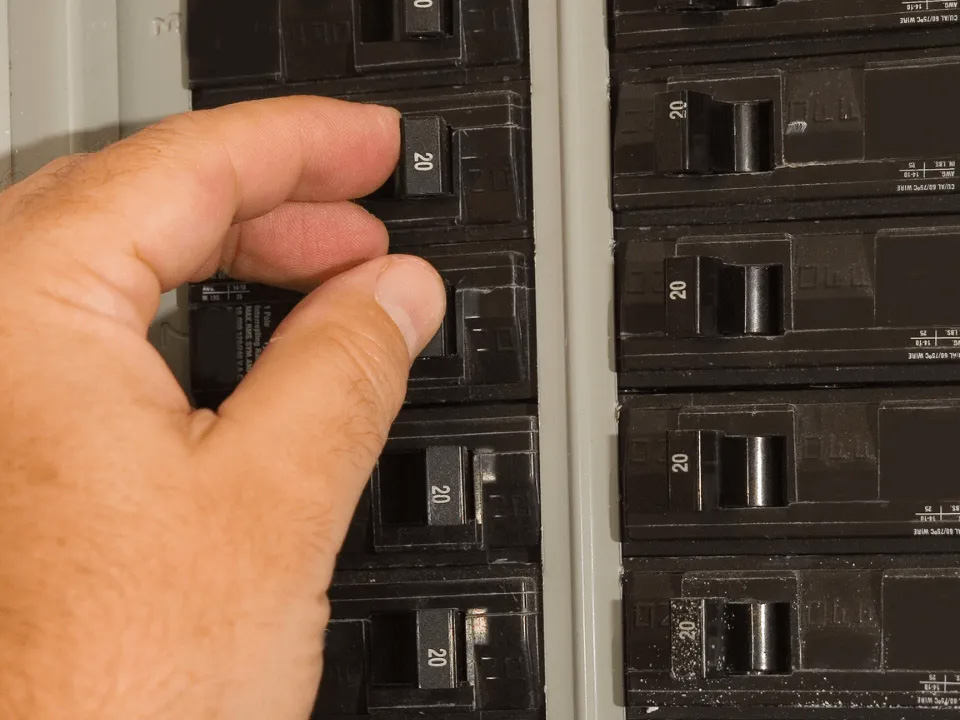
hand of a platinum electric worker fixing the electrical panel in rexburg id

How to Spot Dangerous Hot Circuit Breakers Before They Trip

A breaker does not have to trip before something is wrong. In some homes, a breaker may feel warmer than expected while the circuit still seems to work normally. That heat can come from a heavy electrical load, a loose connection, damaged wiring, or a breaker that is beginning to fail. The important part is finding out why the hot circuit breaker heat is there before it causes damage inside the panel.

Some Warmth Can Be Normal, but Excess Heat Is Not

Breakers carry electrical current, so a small amount of warmth can happen during normal use. The concern starts when one hot circuit breaker feels much hotter than the others, has a burning smell nearby, or shows discoloration.

An electrician may compare the breaker temperature with nearby circuits and look at how much current is actually flowing.

Warning signs can include:

  • A breaker that is unusually hot to the touch
  • Melted or discolored plastic
  • A buzzing sound from the panel
  • A burnt smell near the breaker box

These signs should not be ignored just because the breaker has stayed in the ON position.

Loose Connections Can Create Hot Circuit Breaker Without a Trip

One of the most important reasons for why an electrical breaker gets hot without tripping is resistance at a loose or damaged connection.

Electricity should move through tight, clean connections. When a wire is loose at the breaker terminal, resistance increases. That resistance can turn electrical energy into heat.

The hot circuit breaker may still be drawing less current than the breaker’s trip rating, so the breaker does not necessarily shut off. Meanwhile, the connection can keep getting hotter.

This is why simply replacing the breaker without checking the wiring may not solve the real problem.

The Circuit May Be Working Too Hard for Long Periods

A hot circuit breaker carries a heavy load for an extended time. Space heaters, kitchen appliances, shop tools, and other high-demand equipment can keep a circuit close to its limit.

If an Idaho Falls ID electrician checks the panel, the review may include the actual current draw, breaker size, wire size, and devices connected to that circuit.

At Platinum Electric, we also look for signs that equipment has been added over the years without the circuit being updated to match the new demand.

The Breaker Itself May Be Failing

Breakers do wear out. Internal contacts can become damaged, weak, or corroded, especially after years of use or repeated trips. A failing breaker may create heat even when the wiring and load appear normal.

A qualified electrician can determine whether the problem comes from:

  • The breaker itself
  • The wire connection
  • The panel bus
  • Excess circuit demand

The panel cover should not be removed by an untrained homeowner. Live electrical parts inside can remain dangerous even when individual breakers are switched off.

Conclusion

A hot circuit breaker is not something to judge by guesswork. Loose connections, heavy loads, damaged breakers, or panel problems can all create heat before a trip occurs. If one breaker feels much hotter than the rest, call Platinum Electric at (208) 403-3040 and let us inspect the panel before hidden heat turns into a larger electrical problem.

We also provide services to Blackfoot, Collins, Chubbuck, Idaho Falls, Ammon, Rexburg, Jackson, Island Park, Shelley, Iona, and all surrounding areas.…

How to Spot Dangerous Hot Circuit Breakers Before They Trip Read More »

Scroll to Top
Get Your FREE Estimate!